Features
Standardized Testing Brings Students’ Stress
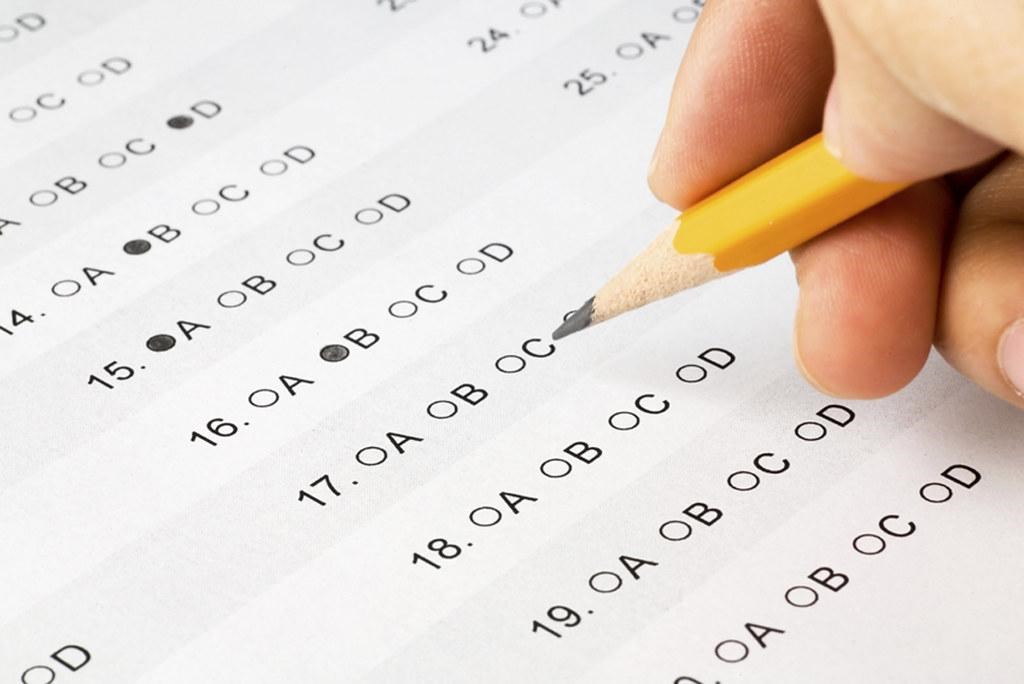
Standardized testing has become a standard in modern education, shaping how students, teachers, and schools are evaluated. With each passing year, the pressure surrounding these assessments grows, as scores influence everything from school funding to student placements and teacher evaluations. For students, the stakes feel higher than ever, intensifying the already substantial weight of academic expectations. Standardized testing pressure is the stress and anxiety students feel surrounding these critical exams. This pressure can stem from numerous sources, including family expectations, school mandates, and the students’ own performance goals.
The impact of this testing stress can be profound, leading to issues such as burnout, sleep deprivation, and mental health challenges, including anxiety and depression. In extreme cases, the burden of testing pressure can cause students to lose motivation or develop a fear of failure, ultimately affecting both their academic outcomes and overall well-being. Nicolas Smith, a student at , believes that standardized tests do not measure a student's knowledge and skills very well. “I don’t feel well about it at all, [because] of how we are supposed to just go into it and not really have a refresher,” he explains.
Smith feels that there is too much emphasis on test scores when it comes to colleges and scholarships. He says, “Yes, cause they all base it on knowledge of anything, instead that person who wants to one thing but can’t because they don’t have knowledge of a certain subject like someone trying to become a doctor but not knowing something that’s holding them back yet they don't need that thing to be a doctor.” Smith is explaining how schools base their tests on subjects that don't relate to the kinds of things that a student would want to be. “Yes, because how easily it could put someone down by just hearing it while someone who doesn't really go to school comes before them. This provokes the feeling that the student wouldn’t want to keep going after that,” Smith states. Joseph Lehnert, a history teacher at , feels the same way about standardized tests, not measuring a student's knowledge and skills all too well. He states that, “While some degree of testing is important, standardized tests may not fully, or accurately, measure student learning and knowledge. More significantly, students are subjected to too many tests. This leads to “testing fatigue,” which can impact students’ performance on tests.” As well as Smith, Lehnert feels that there is too much emphasis on testing.
“Yes, I believe testing scores are overemphasized in regards to college admissions and scholarships. Test scores tell a smart part of a students’ story. Test scores can be used as a factor in the decision-making process, but a more realistic review of accom plishments, achievements, and aptitude should be utilized,” he states. Lenhert stays on his idea that there are too many tests given out. He explains that, “I would change the amount of tests given to students. Building in more time for learning and practice (i.e. gaining experiential knowledge) would serve to improve, in my opinion, the effectiveness of the tests we do give. On the contrary, Skyler Welbers, a sophomore at , believes that standardized tests measure knowledge and skills “pretty well” and thinks that test scores do not have too much emphasis on colleges and scholarships. “No, because I think that test scores are the best way to show what you know,” he says. Welbers believe that timed tests are the best method for learning. “Timed tests with very hard problems about that topic,” he explains.
Welbers explains in what way he would change testing. He says that, “I would make the test have less questions and instead make the questions harder.” He explains the way that he would prepare for these tests as well, “By learning the topic then practicing that topic.” Welbers believes that testing can impact students' motivation. “Yes, because a lot of students don’t like tests because it's hard to cheat on them.” In conclusion, the debate over the efficiency and impact of standardized testing reflects varied perspectives among students and teachers.
While some, like Nicolas Smith and Joseph Lehnert, feel that standardized tests do not fully measure a student’s capabilities and place undue stress on learners, others, such as Skyler Welbers, view these assessments as an accurate gauge of knowledge. Smith and Lehnert are particularly concerned that tests may not align with students’ long-term career goals, potentially causing disinterest and stress that can hamper motivation.
The issue of “testing fatigue” and the overemphasis on scores for college and scholarship opportunities are seen as detrimental, pushing students to perform in areas that might not reflect their true abilities or aspirations. Meanwhile, supporters like Welbers argue that standardized tests serve as an effective means to evaluate students fairly, asserting that they accurately reflect what students know and can do. However, even Welbers suggests adjustments to the testing format to enhance its effectiveness, proposing a focus on fewer, but more challenging, questions.
This divergence of opinion highlights the complexity of standardized testing in modern education. As schools continue to rely on these assessments, finding a balance that evaluates students’ skills without compromising their well-being remains crucial for educational reform.